


Start a small business with limited money can seem difficult. A simple plan can make the process easier. A business does not need a large office, a large team, or expensive tools at the start. A useful idea can grow when the right customer need is clear, and the basic setup stays simple. Professional business consultation can also help with planning, business direction, and early decisions.
A good start begins with a simple idea. The idea should match available skills, time, and resources. The next step should focus on the customer and the problem that needs a solution. Market research can then show what people need and what other businesses already offer. Business guidance and digital resources are also available through Munir Ahmad. A clear marketing plan can help a new business reach the right audience. Social media, search content, referrals, and online partnerships can support early growth.
Start With a Business Idea That Fits Your Budget
A business idea should match available resources. A simple idea can be easier to manage than a large business model. A service business can often provide a practical starting point when resources are limited. Writing, graphic design, tutoring, cleaning, repair work, consulting, editing, and digital support can all work as small service businesses. Digital marketing support can also be a practical service option for those with relevant skills. Product businesses can also work when the product has clear demand and simple production needs.
Existing skills can reduce the need for extra training. Familiar work can also make it easier to provide a useful service from the start. A person who knows website design, for instance, can offer website support instead of starting a business that needs expensive equipment. The business model should stay simple at first. One main service or product can provide a clear starting point. More offers can come later after regular customer demand becomes clear.
Identify a Real Customer Problem
A useful business solves a real problem. Customers need a clear reason to choose a product or service. A strong idea should make a task easier, faster, safer, or more convenient. Customer problems can take many forms. A small company may need better website support. A busy family may need home cleaning. A student may need private lessons. A company may need help with social media content. The focus should remain on a clear need. Personal interest can support a business idea, but customer demand should guide the final decision.
Simple research can reveal common problems. Online reviews can show complaints about existing services. Social media discussions can show common concerns. Search data can also show topics that receive regular attention. A clear problem can also create a stronger marketing message. Customers should understand what the business does and how the service can help.
Research Your Market and Competitors
Market research should happen before major business spending. The goal should be to understand the market, the customer, and the competition. Competitor research can start with websites and social media pages. Customer reviews can show what people like and dislike. Service pages can show what competitors offer. Product details can also reveal areas where a new business can offer something different.
Keyword research can provide useful information. Search terms can show what people want to find online. Related search topics can reveal other needs linked to the main service. A simple research document can keep the process clear. You can record competitor services, customer concerns, common search terms, service gaps, and possible ways to improve the offer.
Market research should also consider changes in demand. Some services may have seasonal demand. Some products may become popular for a short period. A business should understand such patterns before it commits resources.
Create a Simple Business Plan You Can Actually Follow
A business plan should provide clear direction. A small business does not always need a long document. A short plan can cover the main information needed for the early stage. The plan should explain the business idea and the target audience. It should also explain the problem that the business solves.
The main plan can cover the business purpose, main offer, target market, marketing method, sales process, daily operations, legal structure, and financial goals. A clear marketing plan should explain how potential customers can find the business. Social media may work for one business. Search content may work better for another. Referrals and partnerships can also create useful customer channels. A business plan should remain flexible. Customer feedback can reveal a better direction. Market changes can also require updates.
Start a Small Business and Focus on the Essentials
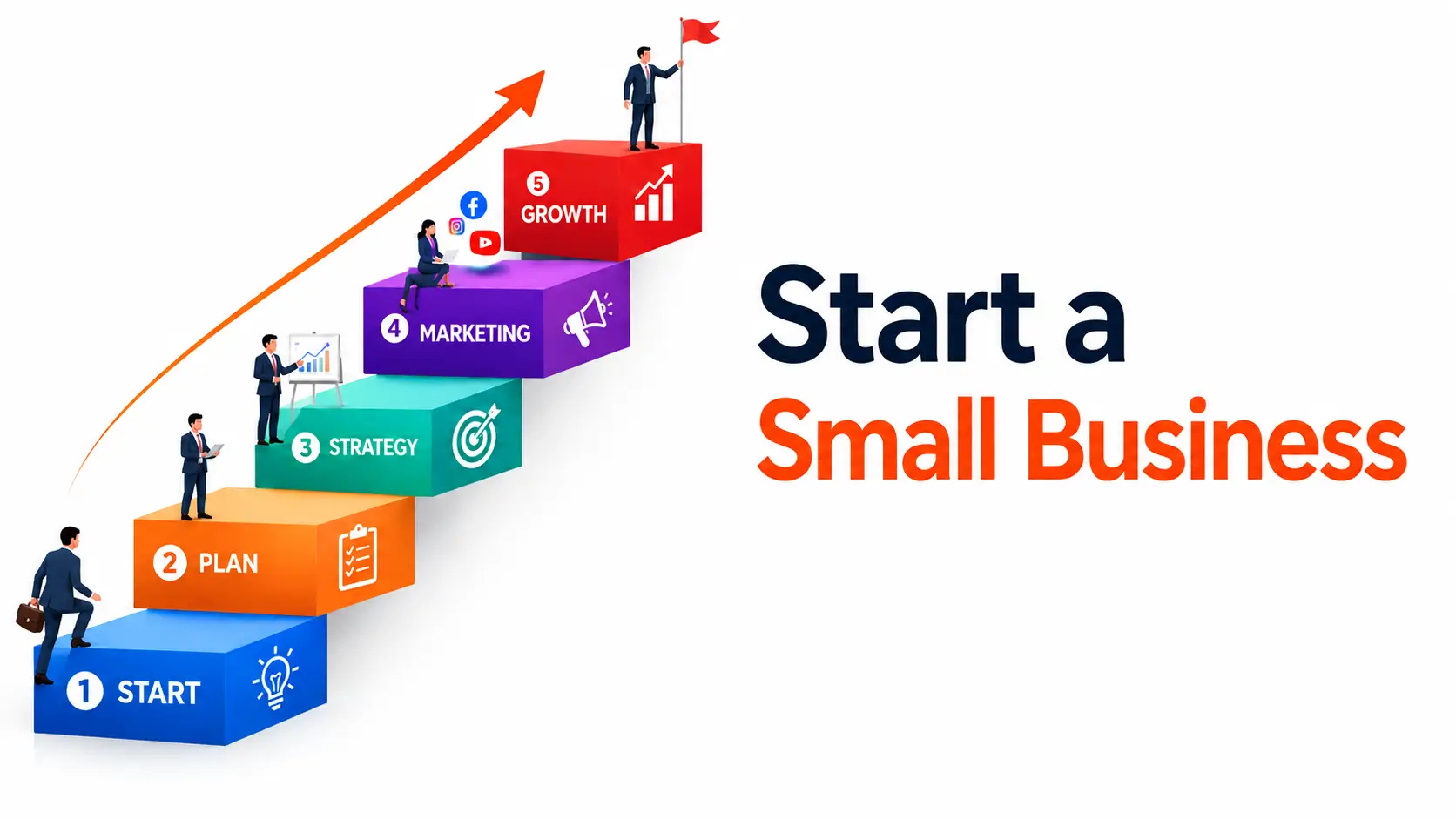
A small launch can reduce pressure in the first version. A business should contain only the tools and resources needed to serve customers. A basic website can be enough for many service businesses. A simple contact method can handle early enquiries. A clear service page can explain the main offer. Extra tools can wait until they become necessary. Large equipment purchases can wait. Large stock levels can wait. Complex systems can also wait until customer demand becomes clear.
Basic digital tools can support communication, scheduling, documents, design, and customer records. A home-based setup may also work for some businesses when local rules allow it. Legal requirements should receive proper attention even when the business remains small. Registration, permits, licenses, tax duties, and other requirements can depend on the business type and location.
Find Low-Cost Ways to Get Your First Customers
A new business should focus on marketing channels that match its audience. A business does not need to use every platform. Social media can help build awareness. Useful posts can answer common customer concerns and show knowledge about the service. Short videos can also explain a product or service in simple language. Search content can help people find a business when they already need a solution. A simple website can include service details, contact information, customer reviews, and useful information.
Satisfied customers can recommend a service to people they know. Professional partnerships can create another source of leads, and email can support regular communication. A simple email list can share useful information, service updates, and new offers.
Influencer partnerships can support certain business models. A relevant creator can introduce a product or service to an audience that already has an interest in the subject. The main goal should be useful communication. Clear information can build trust. A simple offer can also make the buying decision easier.
Manage Your Money From Day One
Financial control should start before the first sale. Good records can show where business funds come from and where they go. Personal and business finances should remain separate when the business structure or local rules require separation. Separate records can make accounting easier and support better financial decisions. Income and business expenses should be recorded regularly. Invoices and payment records should also remain organised.
A simple spreadsheet can work for a very small business. Accounting software can become useful when the number of transactions increases. Cash flow also needs attention. A business can have sales and still face financial pressure when customer payments arrive late, or business expenses appear early. A financial reserve can provide support when unexpected business needs appear. New commitments should receive careful review before they are accepted.
Avoid Common Small Business Mistakes
New business owners can make simple mistakes that create larger problems later. Good planning can reduce many of them. A common mistake involves trying to serve everyone. A broad audience can make the business message unclear. A focused audience can make marketing easier. Another mistake involves adding too many products or services at the start. A large offer can create more work and make daily operations harder to manage. One strong offer can provide a better foundation.
Poor record-keeping can also cause problems. Missing invoices, unclear payments, and weak financial records can make it harder to understand business performance. Legal duties should also receive attention. Registration, licenses, permits, taxes, contracts, and insurance needs can vary based on the business and location.
Customer service matters as well. Slow replies, unclear communication, and poor support can reduce trust. Large commitments can also create pressure. Business resources should match actual demand as much as possible.
Grow Gradually as Revenue Increases
Growth should follow real demand. A business should first create a stable process before it takes on a larger workload. More customers can increase orders, support requests, and administrative tasks. Simple systems can help manage the extra work. Templates can save time. Scheduling tools can improve organisation. Accounting software can support better financial records. Customer management tools can also help keep communication organised.
New services can come after the main offer becomes stable. Customer feedback can show which additional services may have real demand. Hiring should also follow a clear need. Extra support can help when the workload becomes difficult to manage alone. Each role should have clear duties. Marketing can become more focused as the business gathers useful data. Strong channels can receive more attention. Weak channels can receive less attention.
Final Thoughts
Starting a small business with limited money requires careful choices. A useful idea should match available skills and resources. A real customer problem should guide the offer. Market research should confirm demand before major business decisions. A simple business plan can provide direction. A small launch can reduce pressure. Low-cost marketing can help attract early customers. Good financial records can support better decisions. Growth should come after the business has a stable base. New services, tools, staff, and marketing channels can follow as demand becomes stronger.
A limited budget does not need to stop a useful business idea. Careful planning can help turn a simple service or product into a sustainable business. Professional support can help when business planning, marketing, financial, or setup decisions become complex. Contact our team to discuss your business goals and get practical guidance for the next step.