


Executive Personal Branding helps business leaders create a clear professional identity and build stronger authority within an industry. A strong personal brand highlights expertise, leadership values, achievements, professional knowledge, and business vision. It can improve credibility among clients, partners, employees, investors, and industry professionals. Consistent communication across LinkedIn, websites, interviews, and professional content can strengthen recognition. A focused approach also helps leaders share valuable insights, develop trust, and create meaningful professional relationships that support long-term business growth and reputation. A clear identity can also help audiences understand professional strengths before direct communication takes place.
What Is Executive Personal Branding?
Executive personal branding is an exercise in which a business leader or senior professional develops a well-crafted professional image. They highlight the areas of expertise, the type of leadership being offered, the leader’s values, accomplishments, experience, and manner of professional communication. A strong personal brand of the executive helps him earn recognition within the industry segment. It clarifies the strength of the business to customers, partners, employees, shareholders, and the professional audience. A professional profile, corporate website, presence on LinkedIn, appearance in the media, articles, podcasts, and speaking at a conference are some of the means by which the brand reaches the public. Strong branding should reflect genuine experience and professional knowledge. More guidance about professional positioning is available through Munir Ahmad.
Why Personal Branding Matters for Business Leaders
Personal branding gives business leaders a direct way to communicate expertise and professional values. A company website usually focuses on services, products, and business achievements. An executive profile adds a human voice to the wider brand. That connection can help audiences understand the person behind an organization and the experience that supports business decisions. Research from Edelman and LinkedIn has shown that thought leadership can influence B2B decision-making. Their research found that 55% of decision-makers use thought leadership as part of vendor evaluation. Personal branding can therefore support professional credibility before a sales conversation begins and strengthen recognition.
Define Your Executive Brand and Core Message
Building a strong brand for executives should really start with one’s professional identity. A well-crafted brand should clearly and concisely spell out expertises which can not only be understood by the audience but also remain etched in their memory long after they have heard about the message. The message needs to showcase your professional experience, leadership values, audience needs, business strengths, and long-term goals together seamlessly. A core message well thought through and communicated can help minimize the risk of inconsistent messaging when one’s presence is felt on multiple platforms. LinkedIn profiles, personal website bios, interviews, articles, social media posts, speaking engagements & profiles, etc. Professional values can reflect accountability, innovation, transparency, customer focus, operational excellence, or professional integrity. Professional guidance through business consultation can support clearer positioning.
Build Authority Through Thought Leadership
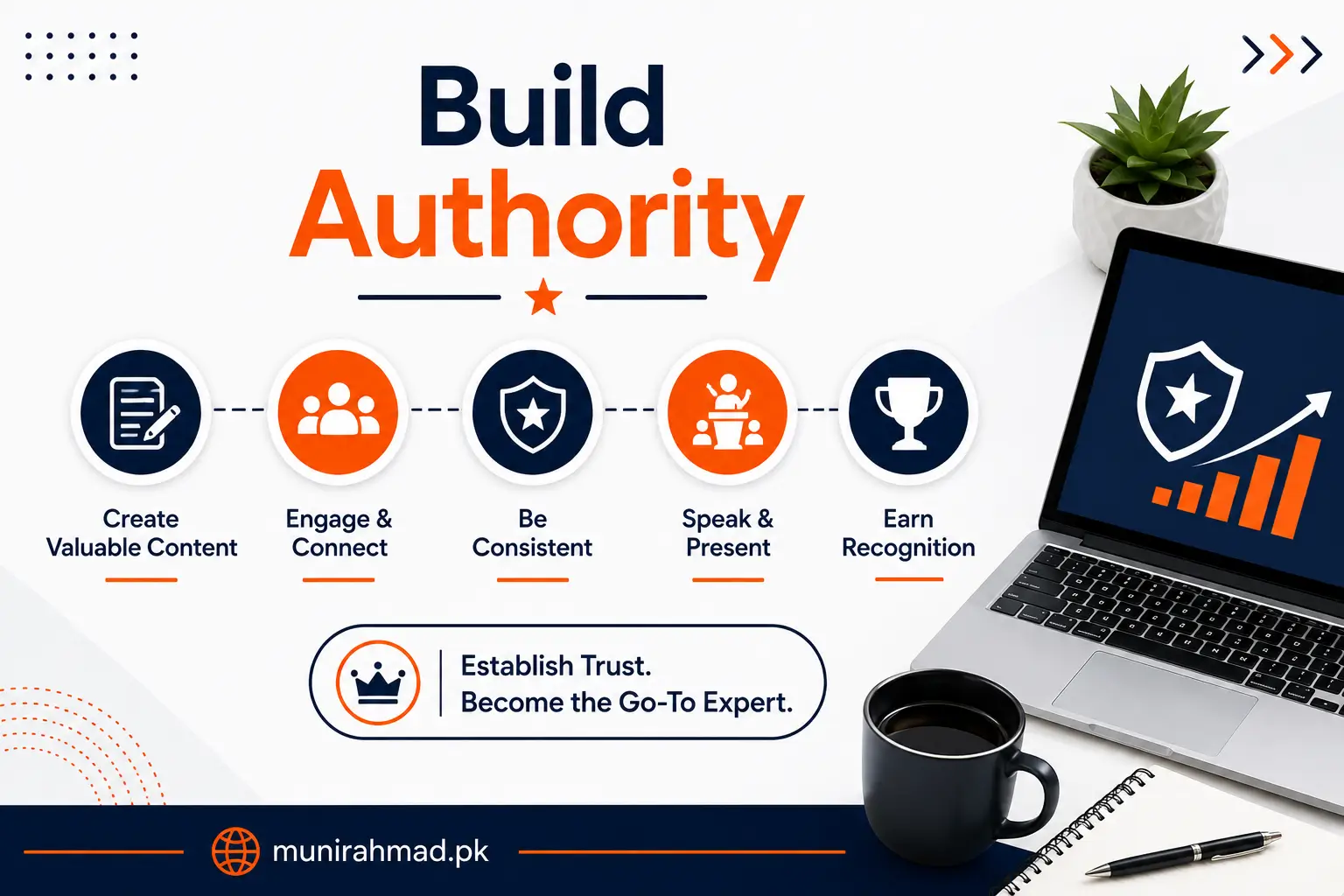
Thought leadership gives Executive Personal Branding greater depth because it focuses on knowledge rather than simple promotion. A business leader can share professional opinions, industry analysis, research insights, leadership lessons, strategic views, and practical advice. Useful knowledge can help an audience recognize expertise and understand a leader’s professional perspective. Edelman and LinkedIn research has reported that 73% of decision-makers consider thought leadership a more trustworthy basis for judging an organization’s capabilities than marketing materials. Such findings show why executive content should provide genuine value. Professional authority grows when an executive consistently contributes useful information to an industry and professional community.
Create a Strong Online Presence
A well-crafted online presence is a key aspect of Executive Personal Branding. Professional profiles have to show the expert’s capability at a glance and deliver the message clearly. LinkedIn is an excellent platform for executives to be seen since they can present their experience, achievements, professional development, publications, and other areas they’re passionate about in one place.
A leadership section or page and professional bios on the executive’s company’s website should support the CEO or other top executives through professional appearances, speeches, media, and bios. A personalized online presence, e.g., their own website, allows them to publish articles, be interviewed, give away resources, and share insights or ideas in which they might be the most authoritative.
Being aligned on various trusted channels is not only important for human consumption but also for machines, i.e., search engines. When an executive’s name is searched for, the algorithms will find out their professional subjects or fields if all online information matches.
Share Valuable Content Consistently
Content plays a central role in personal branding for business leaders. Valuable content allows an executive to demonstrate knowledge without constant promotion. Professional articles, LinkedIn posts, interviews, research commentary, podcasts, videos, newsletters, and opinion pieces can all support executive visibility. Content should focus on subjects that matter to the intended audience. Industry insights can show market knowledge. Leadership content can communicate management expertise. Educational content can explain difficult topics. Professional stories can communicate experience and values. LinkedIn research has reported that 71% of decision-makers spend at least one hour per week consuming thought leadership content. Consistency can support recognition.
Use Social Media to Strengthen Your Reputation
Social media platforms can effectively play a role in promoting one’s brand on a personal level, especially for leaders. Participation in professional groups and contributing to industry-related discussions allows leaders to present themselves as a knowledgeable resource and express their professional views. Being on a platform where other professionals gather to talk about job-related topics can definitely be used by leaders as an effective strategy to communicate their ideas, share experiences, or simply connect with peers. This is particularly true on LinkedIn for business leaders, as the platform serves the business community to a large extent and professionals use it to share their knowledge, keep abreast of industry happenings, and connect with others. Social media communication should remain focused and professional. An executive can share industry opinions, discuss relevant developments, respond to professional discussions, and provide useful insights.
Build Trust Through Authentic Communication
Trust remains a major part of Executive Personal Branding. Professional audiences can recognize exaggerated claims and overly promotional communication. Authentic communication should reflect genuine experience, professional values, and clear opinions. An executive does not need to share private information to appear authentic. Professional authenticity can come from leadership experiences, business decisions, professional lessons, industry opinions, and values related to work. Honest communication can create a stronger connection between expertise and reputation. Public statements should remain aligned with professional behavior and company values. Executive Personal Branding should represent the real professional identity rather than create an artificial image that conflicts with professional actions.
Showcase Your Expertise and Achievements
Professional accomplishments can serve as a clear reflection of the person’s capabilities and knowledge. When it comes to Executive Personal Branding, one must focus on accomplishments while at the same time not making every message look like an advertisement. The different forms, which could be professional recognition, taking on leadership roles, getting certified, having publications, public speaking opportunities, receiving distinctions, major project involvements, engaging in research, and taking part in industry activities, are the various ways an executive can be able to build the profile even more.
The right backdrop should be provided for achievements to avoid the case where it is only the job title that reveals the extent of the responsibilities or the level of knowledge that is involved. If a person can clearly explain what a professional responsibility is all about, what they did to overcome difficulties, the efforts, and finally the outcomes, such stories become compelling for the listeners, as one can see for sure what is behind a given accomplishment. Executive brand building is more credible when there is some sort of evidence.
Network With Industry Leaders and Professionals
Building a professional network helps senior business people establish their personal brand. Through relationships, you can get together with other people, exchange ideas, be exposed by the media, speak at events, and get recognition in your field of expertise. The goal here is to keep developing business relationships, not always trying to sell yourself. Attending industry events, joining professional societies, participating in leadership activities, listening to podcasts, attending workshops, engaging in discussion forums, and contributing expert opinions can all help you meet relevant individuals. Being involved and contributing your opinions in a sincere way will help you get closer to professional contacts as time goes on. A good network is even useful as a source of material: interviews, debates, broadcasts, expert panels, and co-working ventures will be an excellent chance for an executive to reach out to a wider audience and to be professionally recognized by them.
Avoid Common Executive Personal Branding Mistakes
Executive Personal Branding can lose effectiveness when communication becomes generic or inconsistent. Generic statements rarely create strong recognition because they do not show a clear professional perspective. Excessive promotion can also weaken professional credibility because audiences usually expect useful information from thought leaders. LinkedIn research has reported that 46% of decision-makers view excessive product or sales focus as a weakness of poor thought leadership. Inconsistent messaging can create another problem across LinkedIn, websites, interviews, and media profiles. Random trends can distract from core expertise. Unsupported claims can also damage trust. Strong branding requires a clear direction and credible communication.
Measure and Improve Your Personal Brand Growth
Executive Personal Branding should include regular performance reviews. Measurement can show which activities create useful visibility and which areas need improvement. Profile views, search appearances, website visits, content reach, engagement, relevant audience growth, media mentions, podcast invitations, speaking opportunities, and professional inquiries can provide useful information. Audience quality should receive attention alongside overall reach because a large audience does not automatically represent strong professional authority. Relevant professionals, decision-makers, industry peers, media contacts, potential partners, and qualified business audiences can provide greater value. Regular content analysis can help refine the Executive personal branding strategy and improve future communication.
Final Thoughts
Executive Personal Branding can help business leaders create a recognizable professional identity based on expertise, trust, and authority. A strong personal brand starts with clear positioning and continues through thought leadership, online visibility, valuable content, social media communication, authentic leadership, professional networking, and regular reputation management. Executive brand building should remain connected to genuine professional experience. Authentic communication can support credibility across digital platforms and professional communities. A clear message can help an executive become associated with a specific area of expertise. Businesses and executives that need professional support can contact our team for further details about Executive Personal Branding services and available support.