

Let me ask you something, honestly. When did you last check on the mental state of your team — not their KPIs, not their deadlines, but their actual capacity to keep going?
Most leaders never do. Not because they don’t care. It’s because nobody taught them that people performance and people wellness are the same conversation. And that gap — that exact blind spot — is where most businesses quietly bleed.
I have spent over 20 years working with business owners, corporate teams, and executives across Pakistan and internationally. I sat in the boardroom. I have stood on the stages. And I can tell you with complete certainty: the organizations that treat wellness as a soft topic are always the ones calling me after a crisis — not before one.
So whether you’re an HR director trying to reduce turnover, an entrepreneur running on empty, or a CEO who wants a high-output team that doesn’t collapse under pressure, the corporate wellness speaker topics below are exactly what your next company event needs.
See Google review




Why Corporate Wellness in 2026 Is a Business Strategy, Not a Benefit
There’s a number I want you to sit with. The global corporate wellness market is projected to hit $100 billion by 2026, growing at nearly 9% annually. That’s not a wellness industry milestone. That’s the market telling you where serious organizations are putting their money.
The ROI Argument Is Already Settled
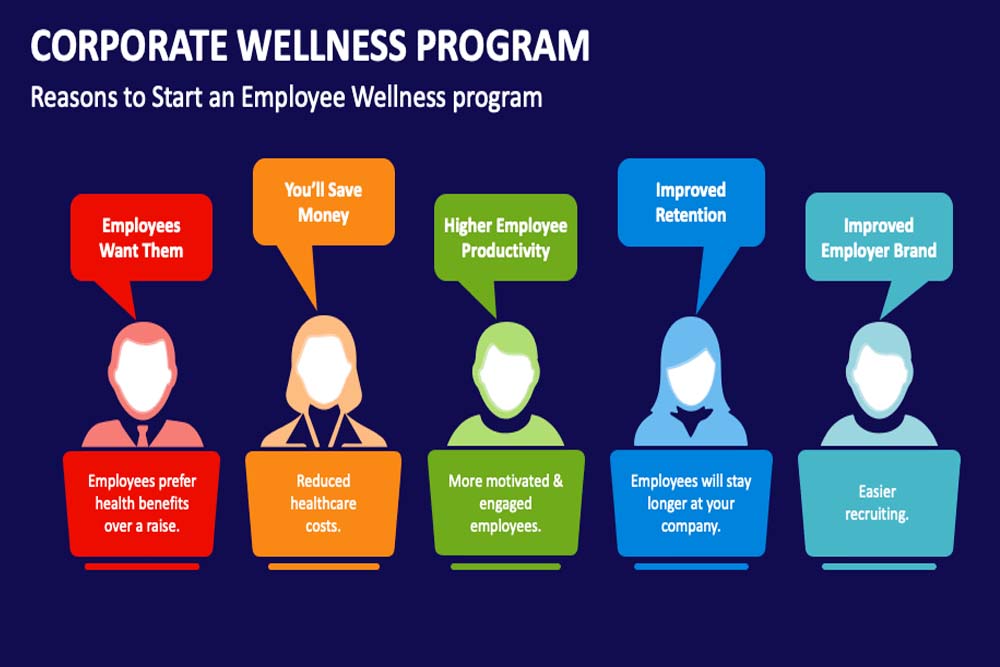
You don’t need to be convinced that wellness matters for human reasons. But let’s talk business. For every dollar spent on corporate wellness, companies get back an average of $3.27 in reduced healthcare costs. Companies that run structured wellness programs report a 20% increase in employee productivity. And 82% of CEOs — not HR managers, CEOs — report a positive return on their wellness investment.
The conversation has already moved. It’s no longer “should we do this?” It’s “how fast can we start and who’s the right person to lead it?”
What’s Actually Happening Inside Your Teams Right Now
Here’s something that doesn’t make it into quarterly reviews. Ninety-one percent of employees are stressed about their personal finances. Not occasionally worried — chronically stressed. Inflation, high living costs, interest rates — your people carry all of that into the office every morning. And stressed employees don’t think clearly, collaborate well, or produce their best work. Sixty-seven percent of CEOs acknowledge that structured wellness programs reduce absenteeism significantly.
The data isn’t asking you to care more. It’s telling you that caring more is the smarter business move.
The Corporate Wellness Speaker Topics That Actually Change Teams
Most corporate wellness talks stay at the surface. Stress management tips. Breathing exercises. A motivational quote on a slide. People leave feeling good for a day and return to the exact same patterns by Thursday.
The topics below are the ones I’ve built and refined over two decades of real consulting work. Each one connects directly to how people perform, lead, and sustain themselves over time.
Mental Health and Emotional Resilience at Work
Here’s a truth that most corporate environments still resist: your team’s mental health is a performance variable. Not a personal issue. Not an HR matter. A direct driver of output quality, decision-making, and retention.
Eighty-six percent of brokers report their clients plan to invest more in mental health solutions in 2025. The demand is already there. The question is whether you’re responding to it with something real or something decorative.
In a session on mental health and emotional resilience, the focus isn’t on therapy. It’s on tools. Practical, repeatable frameworks for identifying emotional fatigue before it turns into a breakdown. How to regulate stress in real time. How to lead with empathy and still hold people accountable, how to create a team culture where people feel safe enough to ask for help before they hit a wall.
Do you want your people to perform at their best under pressure? Then mental resilience isn’t optional — it’s the starting point.
Burnout Prevention and Energy Management
Burnout isn’t a character flaw. The World Health Organization classifies it as an occupational phenomenon — a predictable result of sustained overload without adequate recovery. And it’s costing organizations billions every year in lost talent and reduced output.
I’ll be honest about something personal here. There was a period in my own career — managing multiple businesses, traveling constantly, running on four hours of sleep and sheer willpower — where I thought I was being productive. What I was actually doing was depleting a resource I couldn’t easily replace: my own capacity to lead well.
A session on burnout prevention addresses the warning signs that most managers miss until it’s too late. It covers the difference between high-pressure performance and unsustainable grind. And it gives your team specific tools to protect their energy — not by working less, but by recovering smarter and allocating attention more deliberately.
Are your best people working longer hours but producing less? That’s not a motivation problem. That’s burnout in progress.
Leadership Mindset and Peak Performance
Leadership isn’t a title someone gives you. It’s a decision you make every single morning — to hold the vision when the environment pushes back, to stay consistent when the motivation runs dry, to keep your people anchored when everything around them feels uncertain.
A session on leadership mindset goes deeper than inspiration. It addresses how beliefs shape decisions, how identity either accelerates or limits performance, and how to build the kind of mental toughness that holds up under real adversity — not the comfortable kind.
If you want your leadership team to function like a motivational speaker for corporate teams — with energy, clarity, and genuine authority — the work starts inside, not in a new strategy document.
Building a Culture of Psychological Safety
Google ran one of the most comprehensive team performance studies ever conducted. The finding — called Project Aristotle — was clear: the single biggest predictor of a high-performing team isn’t talent, resources, or technology. It’s psychological safety. The belief that you can speak up, challenge an idea, admit a mistake, and still be respected.
Most organizations say they value open communication. But the culture they’ve built rewards silence and punishes risk. People learn quickly which one actually matters.
A corporate wellness session on psychological safety is one of the most practically impactful talks I deliver. It shows leaders exactly how the environments they’re creating are either unlocking or suppressing the people around them — and what to change immediately.
Financial Wellness as a Driver of Employee Focus
You might wonder what personal finance has to do with corporate wellness. The answer is everything.
An employee who can’t stop thinking about rent, debt, or a family financial crisis is not cognitively available for the work in front of them. Their mental bandwidth is occupied. Ninety-one percent of employees carry financial stress to work. It affects concentration, mood, collaboration, and decision quality — consistently and measurably.
A financial wellness session helps organizations understand how to support basic financial literacy among their teams, reduce money-related anxiety, and create a workforce that is mentally present because it isn’t financially cornered. It’s one of the fastest ways to improve focus and reduce friction inside a team.
Physical Wellness and Its Direct Link to Cognitive Output
The body and the mind don’t operate independently. Sleep quality affects decision-making. Sedentary habits reduce creativity. Poor nutrition destabilizes mood and emotional regulation. These aren’t soft observations — they’re documented, measurable, and reversible.
Corporate wellness trends in 2026 show that organizations are increasingly investing in nutrition programs, on-demand fitness resources, and movement habits that employees can own and control. A session on physical wellness doesn’t tell your people to hit the gym. It shows them how to build physical habits that support the cognitive demands of their specific roles — from frontline managers to C-suite executives.
How Munir Ahmad Approaches a Corporate Wellness Session
It’s Experience First, Always
There’s a meaningful difference between a speaker who has studied corporate wellness and one who has navigated the exact situations their audience is dealing with. My sessions draw from 20+ years of real consulting, business-building, team management, and personal recovery from the same challenges I address on stage.
The stories aren’t polished case studies from a textbook. They’re actual situations — some of which went wrong before they went right — that your audience will recognize immediately because they’re living versions of them.
A session with me doesn’t feel like a presentation. It feels like a conversation with someone who’s already been through what you’re heading into.
Every Session Gets Built for Your Room
A manufacturing company in Lahore has different pressure points than a digital agency in Karachi. A corporate team of 500 needs a different conversation than a leadership cohort of 12. No two sessions are identical.
Before any engagement, my team conducts a detailed pre-session consultation with organizational leaders. The output is a session — or a series — designed specifically for your culture, your industry, and the specific outcomes you want your people to walk away with.
Who Should Actually Book a Corporate Wellness Speaker
HR Directors and Corporate Teams
If you manage people, you’re already in the wellness business — even if nobody’s called it that. HR leaders who bring in a structured, experienced wellness speaker consistently report better engagement scores, lower conflict, and stronger retention. The difference is bringing in someone whose content is practical enough that people actually apply it.
Entrepreneurs and Business Owners
Here’s a pattern I see constantly. Entrepreneurs invest heavily in their team’s well-being but completely ignore their own. A session built around business consultation for scaling entrepreneurs addresses founder burnout, leadership identity, and sustainable performance — because a business can only grow as far as its leader’s capacity allows.
Executives Building a Personal Brand
If you’re a public-facing leader, your personal state is your professional brand. Executives who attend wellness sessions report a clearer ability to manage the pressure of visibility, authority, and constant external expectation. It’s also one of the strongest foundations for personal branding strategy — because authenticity under pressure is what audiences respond to.
What Happens When You Book a Session
The process starts before the event. My team works directly with you to understand your audience, your goals, and the specific behavioral shifts you want. The session follows a clear arc — it grabs attention immediately, builds through data and real stories, and ends with specific, actionable takeaways your people can implement the following Monday.
Post-session, organizations receive a brief implementation framework that reinforces the key topics over the following weeks. The goal is never a temporary emotional lift. It’s a measurable change in how your people think and operate.
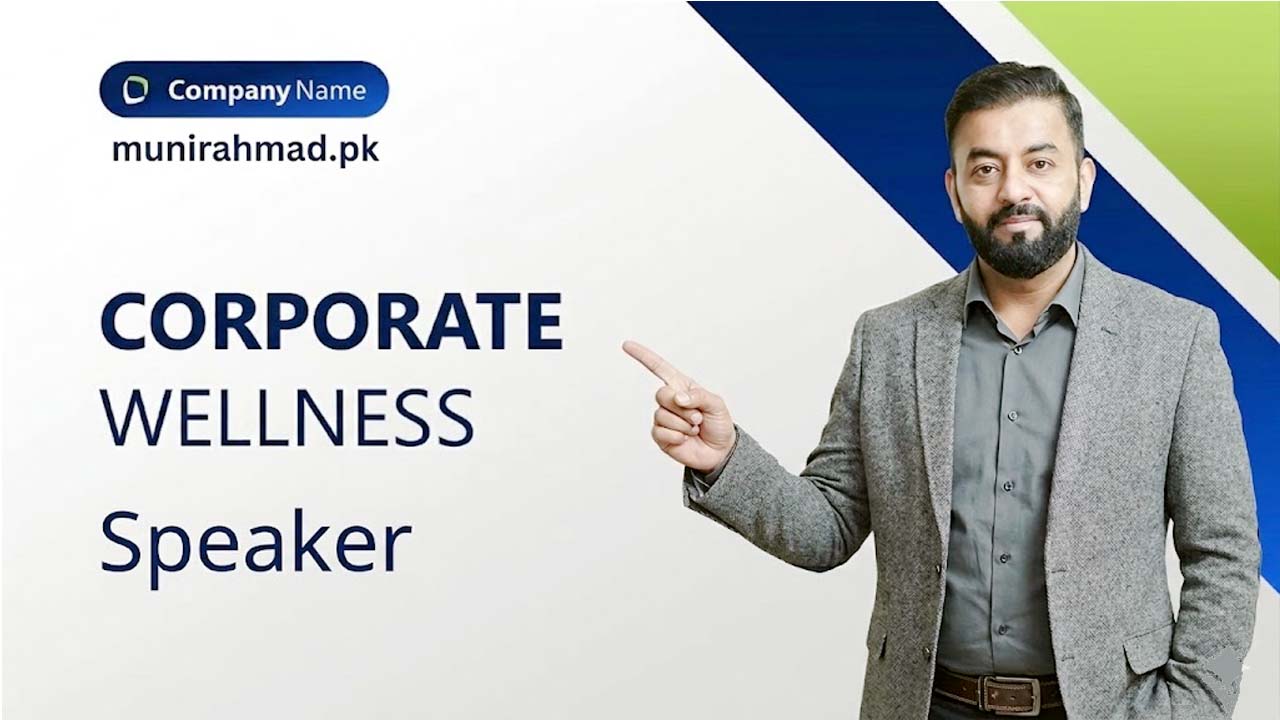
Ready to bring a corporate wellness session to your next event? Contact Munir Ahmad’s team at munirahmad.pk today to discuss a custom program for your organization.
People Also Ask
What topics does a corporate wellness speaker cover?
The core topics include mental health and emotional resilience, burnout prevention, leadership mindset, psychological safety, financial wellness, and physical performance habits. The most effective sessions connect each topic directly to business outcomes — productivity, retention, and team output — rather than treating wellness as a standalone concept.
How do I find the right corporate wellness speaker for my company?
It is important to look beyond credentials and toward real-world experience. Ask whether the speaker has personally navigated the challenges their audience is facing. Look for customization — a session that isn’t adapted to your industry and culture will feel generic and produce generic results.
What’s the difference between a motivational speaker and a corporate wellness speaker?
A motivational speaker energizes. A corporate wellness speaker equips. Munir Ahmad’s sessions combine both — the energy of a motivational talk with the depth and practicality of structured wellness content that teams can actually apply.
How long does a corporate wellness session typically run?
Sessions range from a 45-minute keynote to a full-day workshop. For organizations seeking lasting behavioral change, a multi-session program spread over four to eight weeks produces the strongest long-term results.
Can corporate wellness sessions be delivered online for remote or hybrid teams?
Absolutely. In-person and virtual formats are both available, which makes it practical for organizations with teams across multiple cities or countries.
Final Thoughts
The companies that will lead their industries over the next decade aren’t just hiring better people. They’re building better conditions for the people they already have. Corporate wellness isn’t a side program — it’s the infrastructure that makes everything else in your organization more effective.
The corporate wellness speaker topics covered here aren’t theoretical. They’re the same conversations that have shifted how hundreds of teams across Pakistan and beyond think about performance, leadership, and sustainability.
If you’re ready to make that shift for your organization, the next step is simple. Reach out to Munir Ahmad’s team at munirahmad.pk and start the conversation. One session, implemented well, can change the entire trajectory of how your team performs.